Zircon as an icy blue fire
A cool spark inside a glacier blue. Natural blue zircon is December’s stone, and a colored-stone pick in play for the cool-toned holiday season — a blue that does not sit as a quiet field. High dispersion and a strong double refraction give it a crisp, almost diamond-like fire: the facets can double, and the light breaks into small flashes inside the color. Aquamarine holds a water, pale and transparent, a sea color worn as a pane. Topaz holds a cool blue light, bright, and already content to be blue. Sapphire holds a deep pane, a night you look into. Paraíba holds a neon, blue and green switched on together. Iolite holds a cool violet-blue that can turn with the angle. Zircon holds a fire. The color is ice. The spark is the fact. It is natural zircon, the mineral, not cubic zirconia.
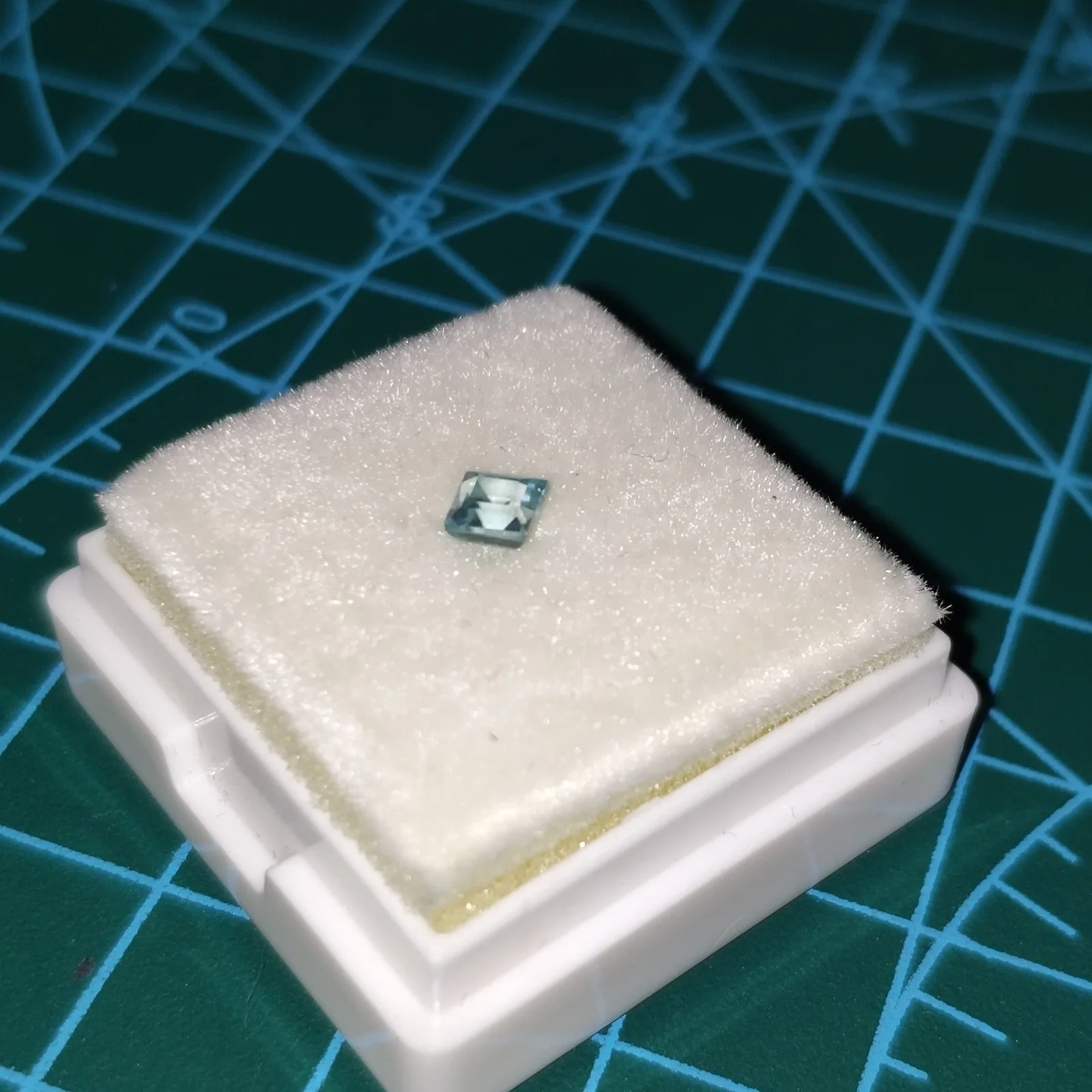
A cut that spends the ice
A faceted blue zircon, about half a carat, is the sit as one gem. Glacier blue through the body, a saturated cool blue, planes that break the light and leave flashes in the color. You would meet that spark before you asked for a weight. An aquamarine of the same outline would have given a water. A topaz would have given a light that stays a pane of blue. A sapphire would have deepened the same face into night. This gem lets the blue throw. The facet is how the ice agrees to be worn.
The cool-toned holiday palette has room for a stone that does not behave like a window. Zircon spends that room as fire. The hue can lean toward a paler ice or toward a blue-green. The first fact stays the same: a color with a scatter inside it, crisp rather than a wash. You look at the gem and the blue is already moving. December’s stone, in this chair, is a spark you can see.
The doubling is part of the pleasure, and it stays quiet. A facet edge may show a second edge just beside it, the strong double refraction doing its work without asking to be named. What you meet first is still the fire: small, bright, held in the ice. A neon would have crossed into green and stayed electric. This stays a cool blue that has learned how to flash.
The mineral, already cool
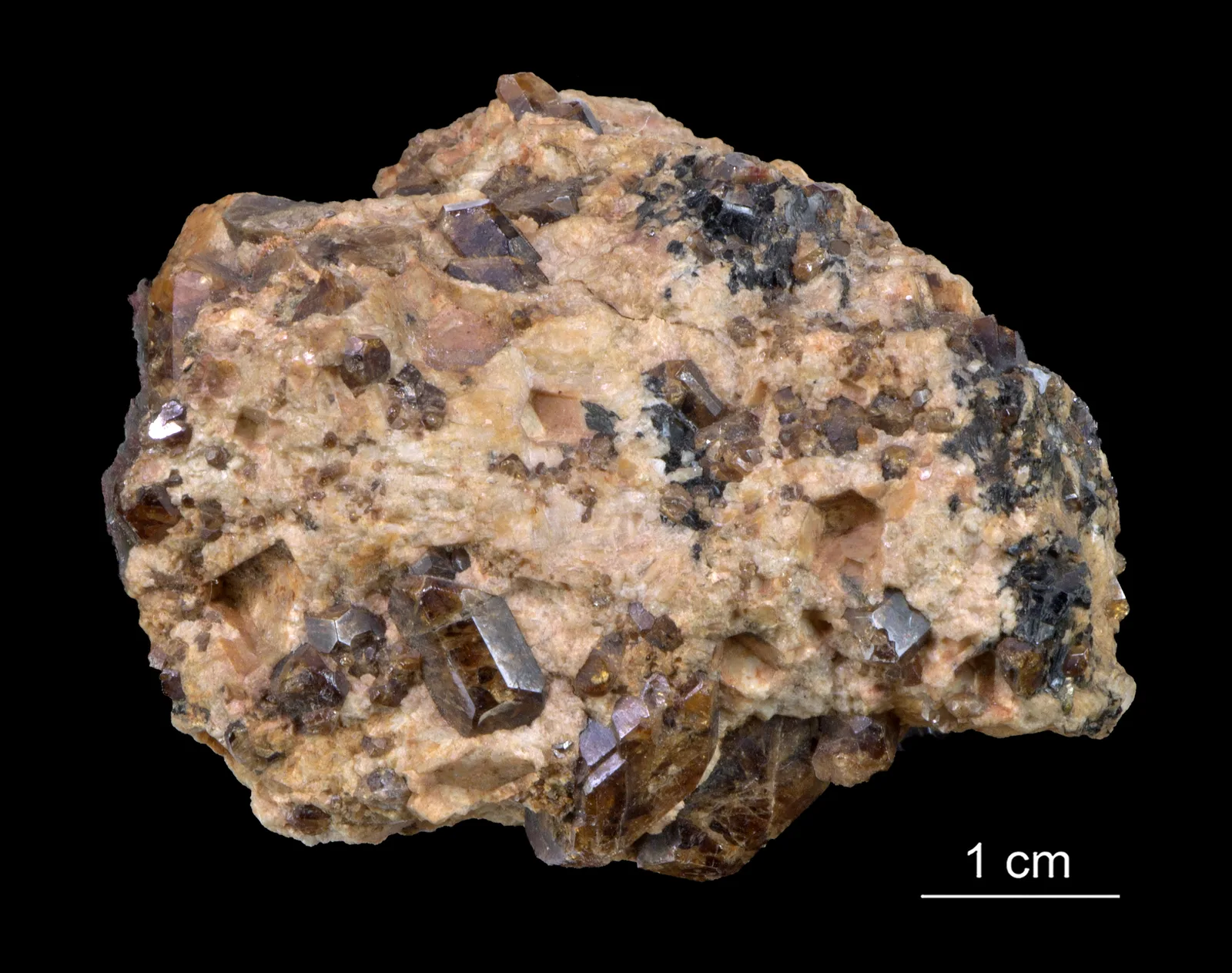
A zircon in the Estonian Museum of Natural History keeps the appetite as a crystal. A pale body, cool gray-blue, glassy faces, the habit of the mineral before a wheel has touched it. You would meet that coolness before you asked which case. The crystal is zircon as a body: transparent enough to take a light, already willing to be a cool color, not yet asked to throw. A cut gem spends the same mineral as fire. This specimen spends it as ice in the rough.
The pale crystal is the season’s stone at its origin. A group of faces that have already agreed to be see-through, some of the color only a hint of blue, the luster already jewel-like along the edges. You would hold the idea of the gem and still be looking at a crystal. The blue of the cut stone is a decision the species was ready to keep: a cool body, then a wheel, then a spark.
Two plates, two grounds, one mineral. The cut gem shows the ice once it has learned to flash. The museum crystal shows the ice before the flash, paler, still cool, still zircon. Aquamarine would still be a water. Topaz would still be a light. These two are a blue the light is allowed to enter, and, once cut, allowed to break.
A crystal that is already a jewel
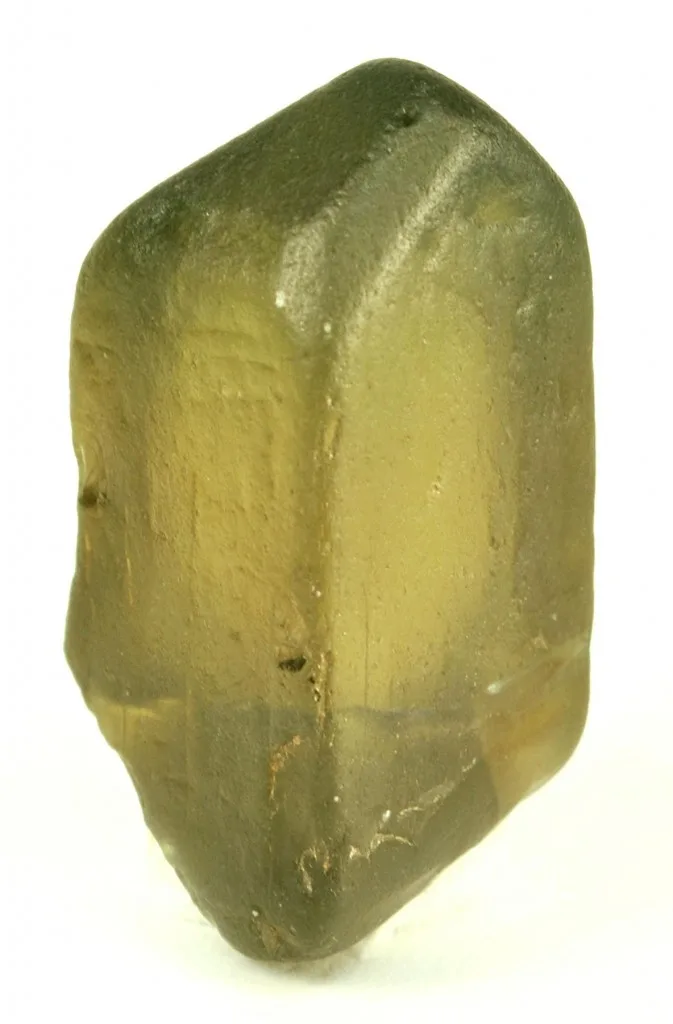
A zircon from Mogok, in Myanmar, keeps the mineral as a jewel before any wheel. A single transparent crystal, warm in the body, a sharp termination, the light already moving inside it. You would meet that luster before you asked for a blue. The color here is not the season’s ice. The species is. A crystal this clear, this willing to take a light, is natural zircon. The cut blue spends the same mineral once a lapidary has asked it to throw. The warmer crystal shows why the fire was never painted on: the stone already knew how to shine.
You would set the blue gem beside this crystal and still be in one mineral. The Mogok piece is the rough appetite, gemmy, a warmer chair. The half-carat is the holiday chair, glacier blue, the light broken into a crisp scatter. Aquamarine would still be a water if you cut it into the same outline. Topaz would still be a cool light. This crystal, and that gem, are zircon.
The mount, when it comes, only agrees to hold a direction the stone already has. The fire stays in the zircon. A water that has already decided to be aquamarine is a different sit. A light that has already decided to be topaz is a different sit. A night that has already decided to be sapphire is a different sit. A neon that has already decided to be Paraíba is a different sit. A violet that has already decided to be iolite is a different sit. This one is an icy blue fire.
That is the season sit. Zircon as an icy blue fire. A cut gem that scatters inside a glacier blue. A pale crystal that is already cool, before a wheel. A Mogok crystal that shows the mineral as a jewel in a warmer light — natural zircon, worn, when the color is ice, as a cool spark rather than a pane of color.
Educational only · Not jewelry, insurance, or legal advice