Reverso, a face that flips
Jaeger-LeCoultre Reverso is a rectangle that learned to turn. The face slides in its frame and comes back as the other side — a dial, then a shield, or a dial, then a second hour. You meet that reversible face first. The house name arrives after the turn. There is no free house photograph to set beside the name. The sit is older than the logo: a watch that has already agreed to keep another face.
A Tank is a gold rectangle that lies and stays put. A Santos is one square on the cuff. A Datejust begins at the fluted bezel, and only then lets the hour be read. The Reverso begins at the flip.
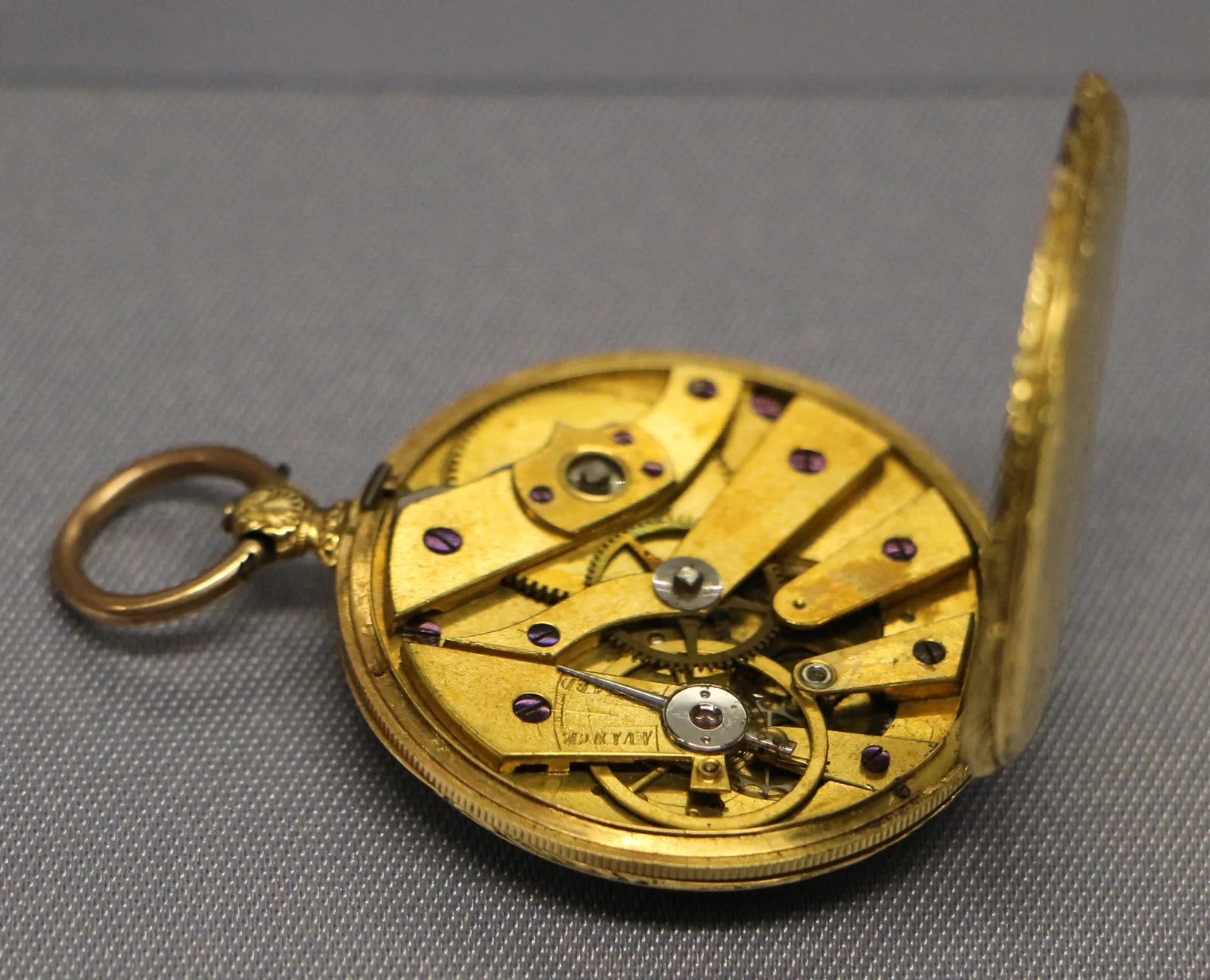
A Le Roy watch of about 1825 to 1850 is the meeting from the other side. The case has turned. The movement sits open on the reverse, the back as the face that was waiting. You would know a watch keeps a second side before you asked who signed it. In this plate the jewel is the back. That is the order the Reverso still wants: one face, then the turn, then the side you had not been looking at.
The pleasure is the second meeting. One look is not the whole jewel. The case has another side, and the turn is how you are introduced to it.
A decorated back, then the reverse of a pendant
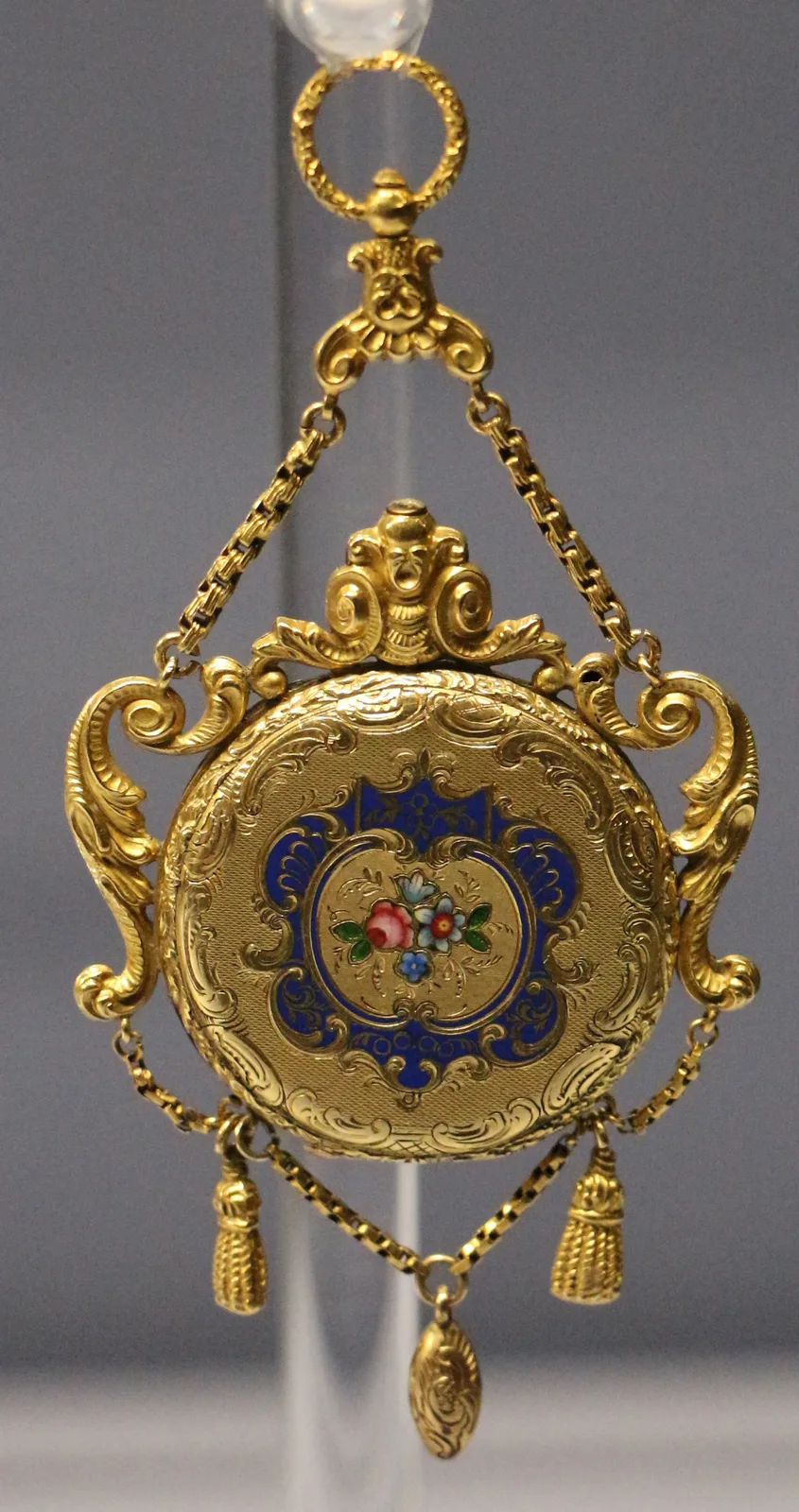
A musical watch by Henry Capt keeps its second event on the back. The plate is a decorated case back, worked as its own face. You would feel that the object has already agreed to be looked at from the other side before you named Geneva. A Tank would have stayed a single door lying flat. A Santos would have stayed one square. Here the reverse is already a welcome.
The Reverso draws that agreement as a rectangle. The case slides, turns, and the other side is there: plain metal, an engraving, a second hour, a face that was waiting. You do not start at a fluted rim and read inward. You meet the jewel by turning it over in its frame. The flip is the sentence. The house keeps that sentence as a door with two welcomes.
You would hold that musical watch and understand the appetite before you understood a carriage. A decorated back, one object, the gold only the chair. The modern rectangle does the same work by moving. The first face introduces you. The turn completes the introduction.
Turn a case back and it stays the reverse. Turn a Reverso and the second face arrives as the reward of the movement. Same appetite, drawn as a slide and a flip. These plates are the older grammar written from the side you meet when the piece has turned: a back, then another reverse. The rectangle is the sentence the house still writes.
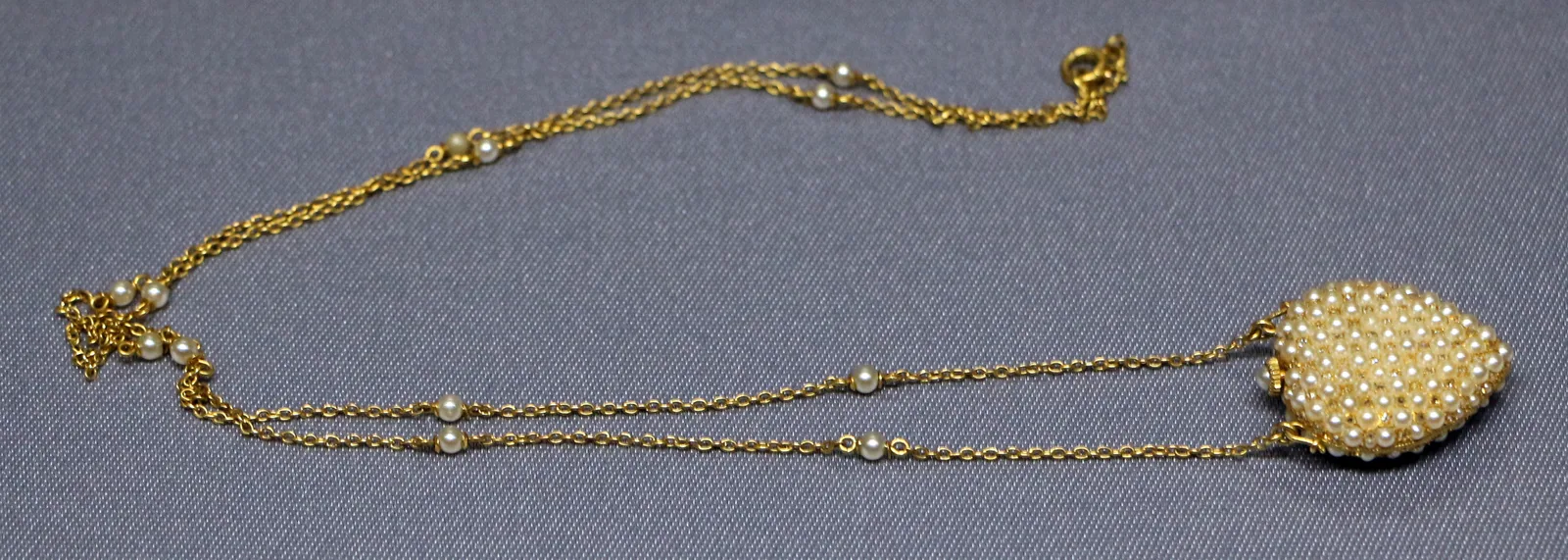
A necklace watch from about 1890 finishes the thought as a pendant already turned. The plate is the reverse of the ornament, the back of a jewel hung to be worn. You would meet that back before you named a clasp. The hour can stay quiet on the face you are not looking at. The jewel has already agreed to keep another side. The house name on a flipping rectangle is later. The sit remains the order of noticing: one face, then whatever the turn reveals.
That is the icon. The house gave a turning rectangle a name in the Vallée de Joux. The sit remains a face you meet first — and the other face, when the case comes back around.
Educational only · Not jewelry, insurance, or legal advice