Atlas, numerals that circle
Tiffany Atlas is a count that learned to circle. Tiffany & Co. wrote numerals around a form — gold already numbered, already held, a circle of figures worn as the whole sit on the wrist. You meet the numerals first. The house name arrives after the count. There is no free house still to set beside the name. The sit is older than the logo: a form that has already agreed to wear its numbers.
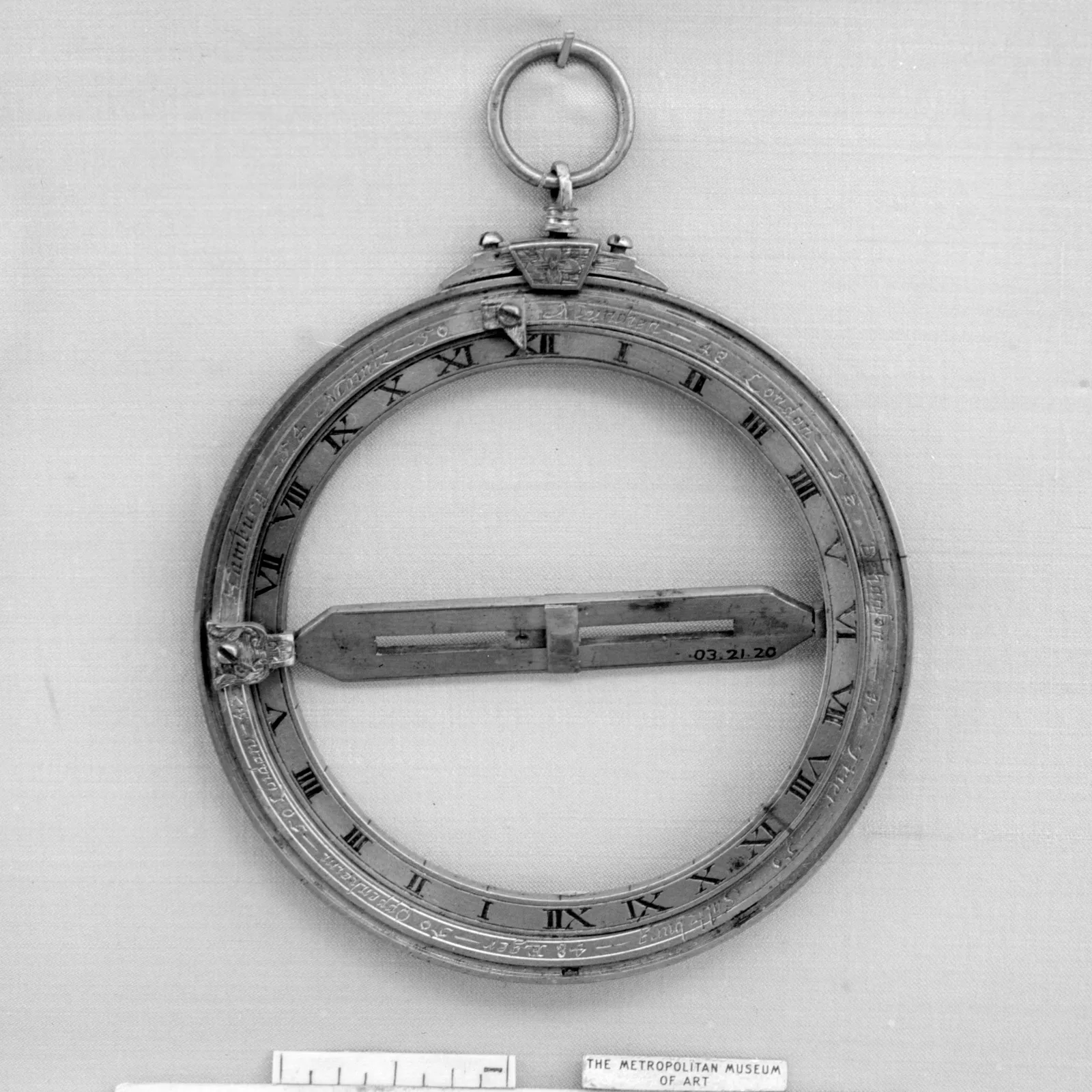
An eighteenth-century ring sundial is the sit in one circle. Gilded brass, numerals already written around the ring, the count as the whole event. You would feel those figures before you named an hour. Not a T that bars. Not a knot that ties. Not a link that holds. Not a stud that interrupts. Metal that has already been written as a circle of numbers — a count you can read, numerals worn as the jewel. That is what Tiffany Atlas still protects: numerals you meet as numerals, a form worn as the hold.
The temperament is the circle that stays numbered. A T would have asked for a bar. A knot would have asked for a tie. A link would have been a chain. The circling numerals are the sentence. Atlas keeps that sentence as a count.
A dial already numbered, then a watch whose figures circle
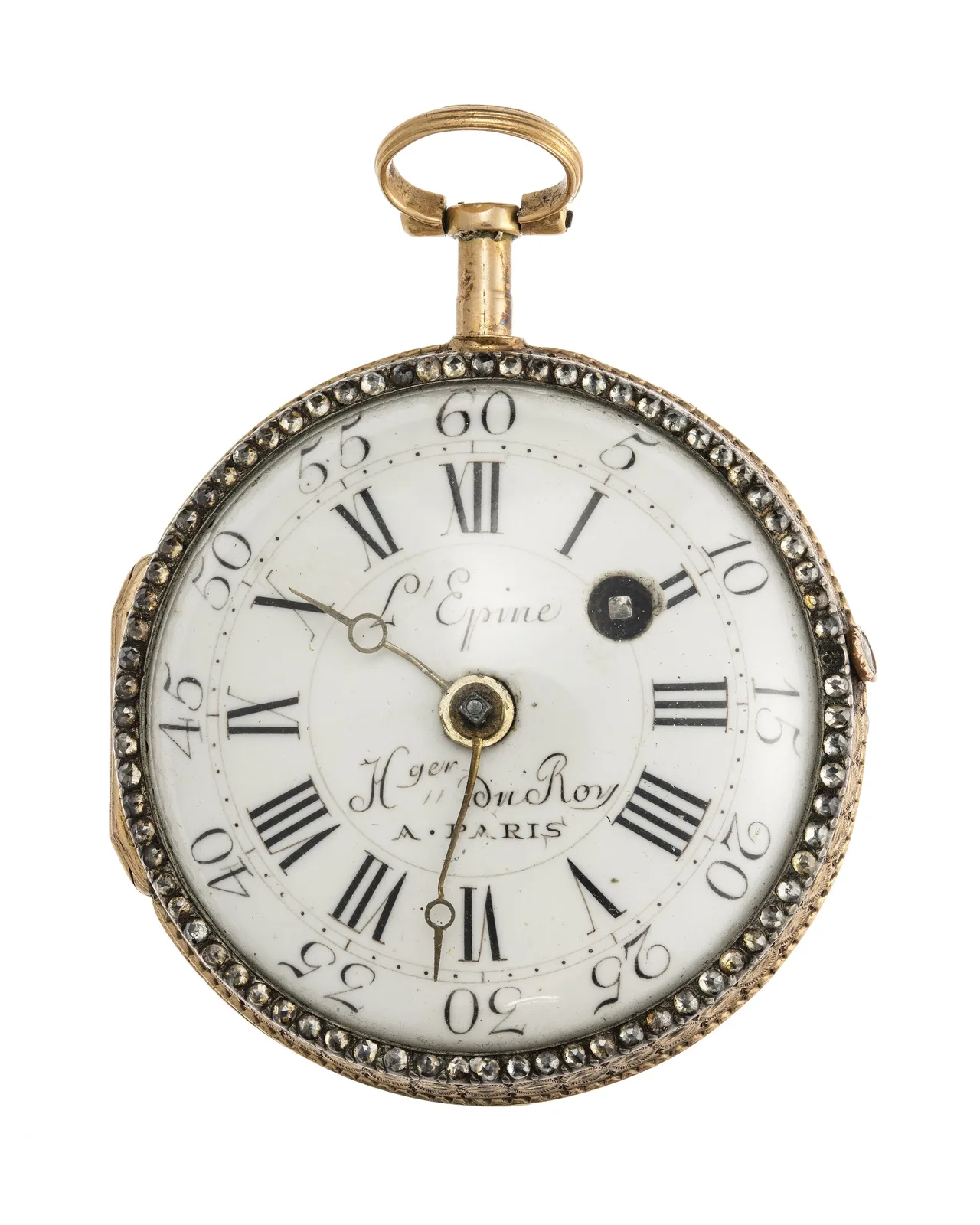
A Hallwyl enamel dial keeps the same appetite as a quieter circle. An enamel face, numerals already around the hour, gold as the hold that lets the count be read. You would meet those figures before you named a city. The grammar is the circle. Atlas writes it as a modern sit — yellow gold or a cooler metal, the same hold: a form that has agreed to wear its numbers, a jewel you feel as a count that stays a count. HardWear would have asked you to meet a link. Knot would have asked you to meet a tie. Clash would have asked you to meet a stud. This sit stays a circle of numerals.
You would wear that dial as a count already finished. The enamel has agreed to carry the figures. The case is only the chair. A barred T would still be a letter. A tied knot would still be a knot. Here the first fact is the number, walking the rim.
A repeating watch finishes the thought as numerals already written across a dial you could wear. White enamel, black figures circling the hour, hands set with diamonds as a small weather on the count. You would feel that circle before you named a movement. The metal has already agreed to sit as a numbered face. The house name is later. The sit remains numerals that circle — a ring whose outline is already the count, a dial whose only event is the figures, then gold as a case whose first fact is the number.
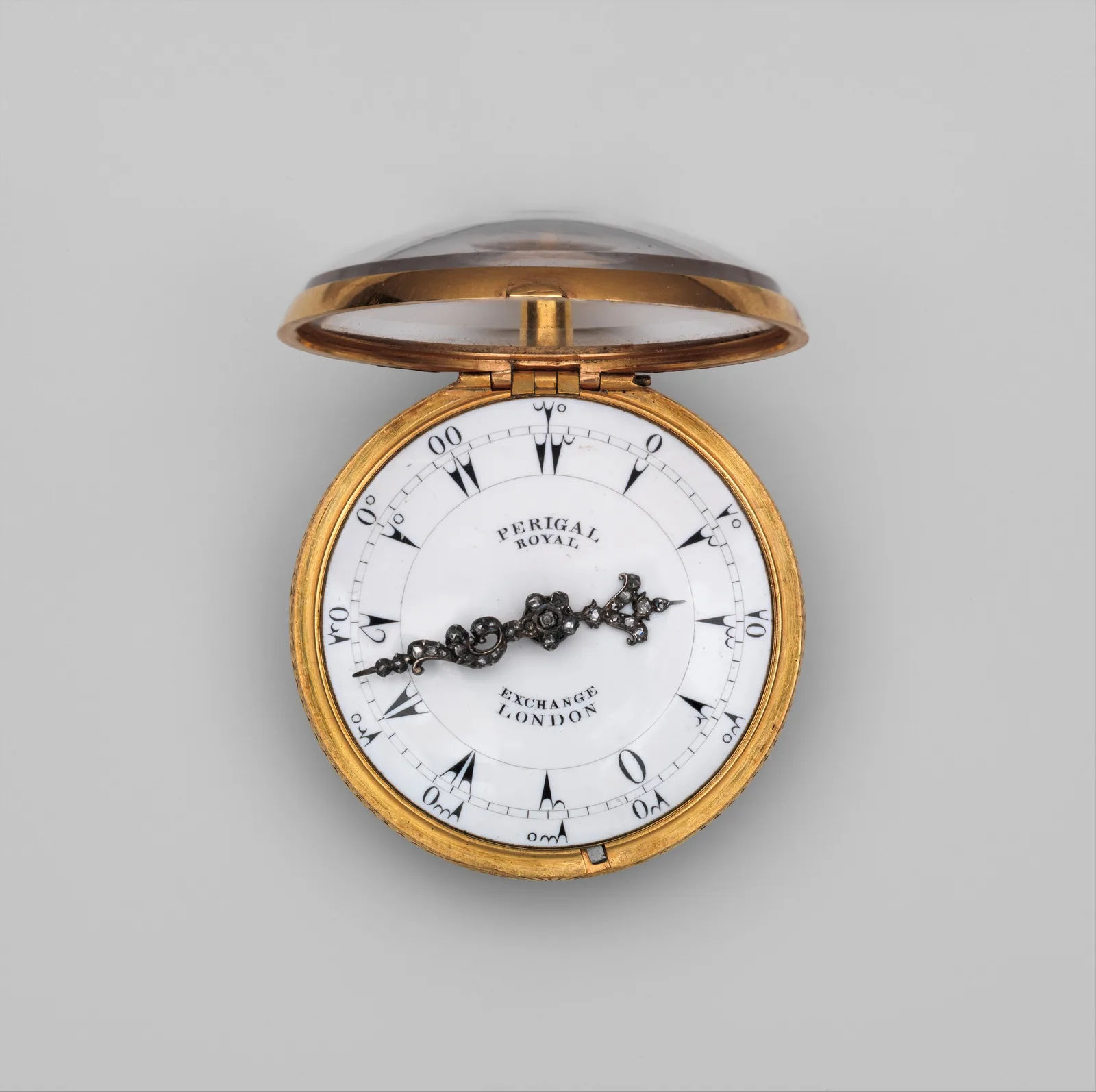
That is the icon. The house gave a circling count a New York name. The sit remains numerals you meet first — a form already written as numbers that stay in a circle.
Educational only · Not jewelry, insurance, or legal advice