Apatite as a blue that will not settle
The months have been a color season, and this blue does not agree to be one blue. Sapphire keeps a deep pane and stays inside it. Aquamarine keeps a cool water. Paraíba keeps a neon and spends that neon as a single name, a tourmaline that looks switched on. Apatite is a phosphate, and the phosphate is willing to be several blues across one cloth: a pear that leans toward green, a row where the cuts change and the hue only almost agrees, a round that holds. You meet the color before you ask the stone to be hard. Hardness is a later sentence. The light can go first.
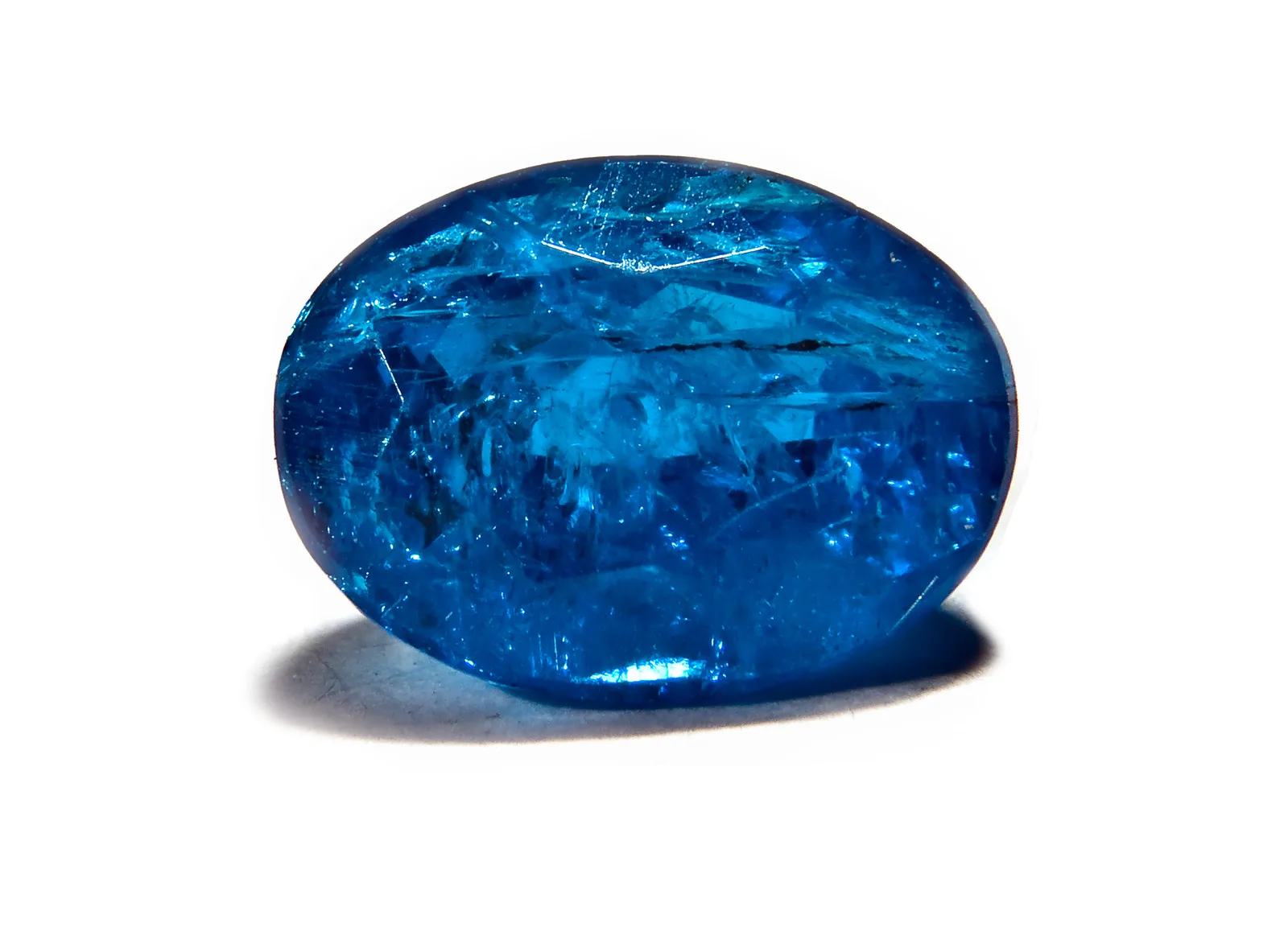
A pear that leans
One stone, Brazil, just under a carat, on a black ground. The outline is a pear. The face is a bright blue that will not stay only blue: green sits in the flashes, so the same stone reads as two temperatures when the light moves. A sapphire of this outline would have handed you a deep pane and held it. A Paraíba would have handed you the neon and called the crossing the whole of the gem. This pear is quieter about its name and busier about the shift. You would know it from across a cloth by the brightness, and then, closer, by the green that arrives inside the blue.
Nothing in the still is a hand. The stone is loose, already cut, the pavilion doing the work a setting would later frame. The black ground lets the hue spend itself. The size is a jewel’s ordinary center, enough for a drop or for the face of a ring if the setting is willing to be kind to a tip.
The kindness is the care, and it belongs here because the color asks to be worn. Apatite sits near a five on the hardness scale, where quartz is harder and a diamond is much harder. A neighbor in the same box will write on it. A separate pouch is the modern mercy, plus a soft cloth, and cool water only if the cloth was not enough. No ultrasonic bath, which is a small storm, and no steam. A saturated blue in this family is often a color brought forward by heat before the stone ever reached a bench. You do not add more heat at the sink. Perfume is a solvent’s cousin. The pear wants its point. Leave the tip.
A row that will not match
Three stones, still Brazil, on a white ground. An emerald cut, an oval, a pear, laid so you can see the family without pretending they were cut as a suite. The step-cut leans toward a yellow green. The oval sits between, blue and green at once. The pear has gone a deeper blue. None of them is the black-ground pear, and none of them is a second angle of it. The cuts traveled. The color was free to lean. You would know the row from across a cloth by the three outlines, and you would know it was one gem when you were close enough to see the hue arguing with itself and still belonging together.
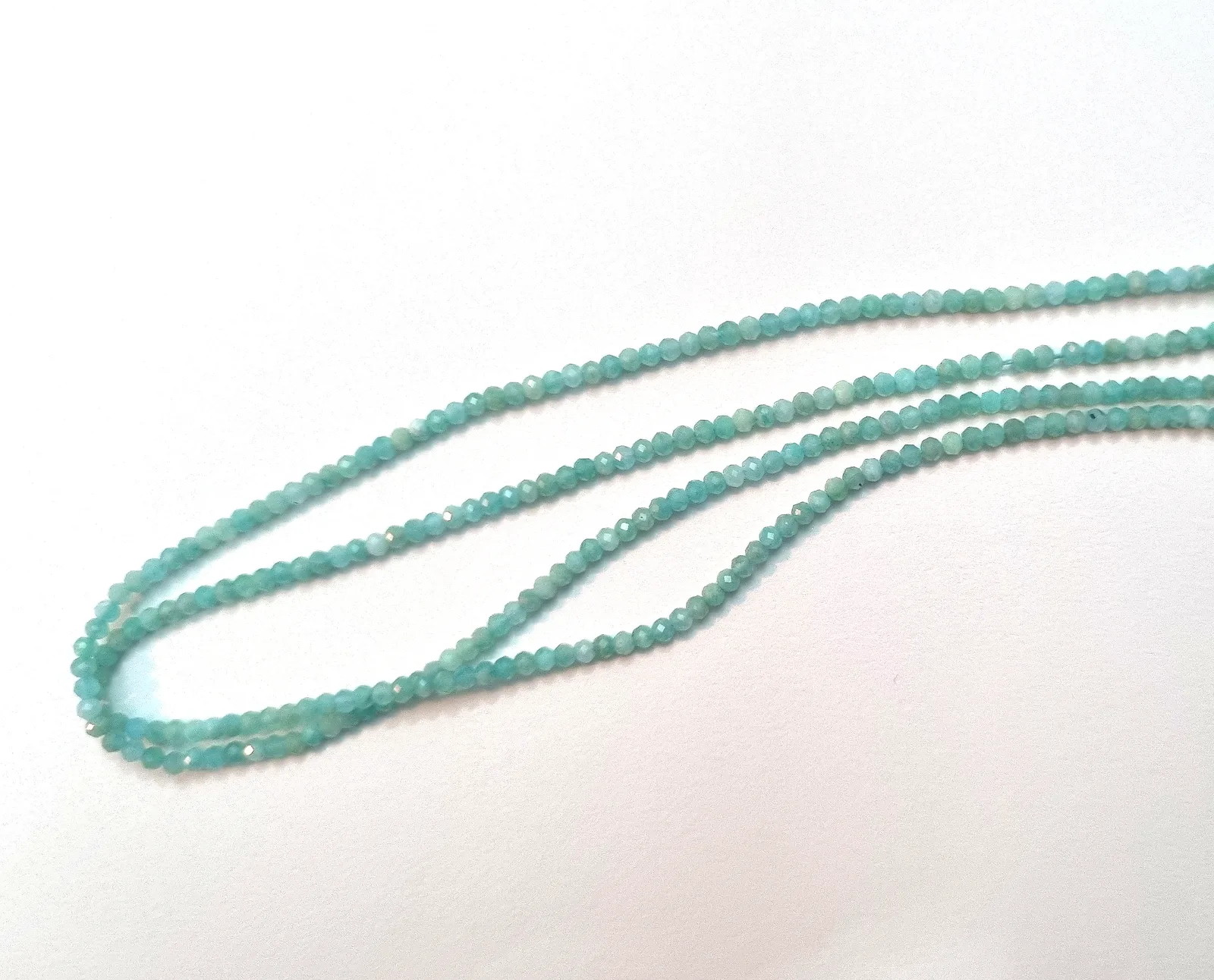
This is a different meeting from the single pear. The pear let one stone change its mind in the flashes. The row lets three stones keep three opinions in daylight, side by side, with no setting to force a match. A pair of sapphires is chosen until the blues agree. This row was not chosen that way. It is the mineral as a range. Green wants to visit. Blue wants the center. You can prefer one and still be looking at apatite.
A white ground this fall does not have to compete with them. It gives the lean a chair. Store the three apart from anything harder, and with a cloth between the points. The emerald cut has corners. The pear has a tip. On a stone this soft, a corner is the first place a story starts. The cloth is the whole of the manners.
A round that holds
A round from Madagascar spends the blue as a steadier thing. Cut in Jaipur, the photograph made in the middle of this October, a brilliant on a white ground with the light kept even. The pear leaned. The row negotiated. This circle holds. You would know it from across a cloth by the even blue and by the fact of the round: no tip, no step-cut window, a face that gives the color one job. The job is to be blue, and to be blue in a stone that left a bench this month.
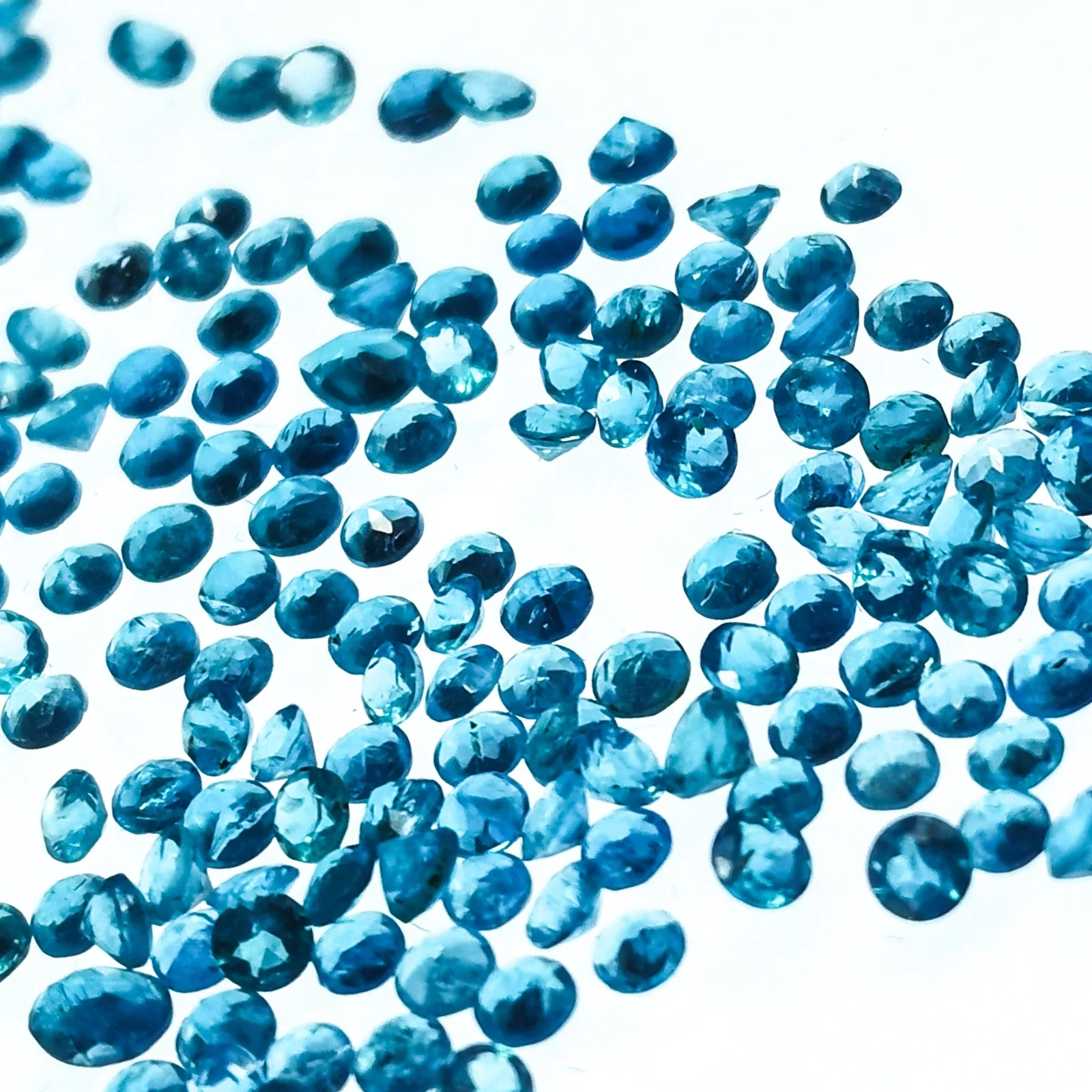
It is a different object from the Brazilian pear and from the Brazilian row. The origin traveled. The cut traveled. The constant is the phosphate, and the willingness of that phosphate to show up as a color people are cutting while sapphire and Paraíba keep their own rooms. Apatite does not take their place. It sits beside them as the blue you can meet without asking it to be a pane or a neon. The round is the calm version of the argument. Even a calm apatite is still near a five. The circle has a girdle, and a girdle against a harder gem takes the scratch on the apatite. One pouch. A dry cloth. No steam.
Three stones, one unsettled blue. The pear lets apatite flash green inside a bright blue, a small Brazil on a black ground. The row lets three cuts keep three leans, bluish and green and not required to match. The round lets a Madagascar stone, cut in Jaipur this season, hold a blue that has made up its mind for the length of a photograph. Sapphire can still be the deep pane. Aquamarine can still be the water. Paraíba can still be the neon that will not choose. This fall’s blue is the one allowed to be several, and the one that asks to be kept soft.
That is the sit. Apatite as a blue that will not settle. The color changes its mind. The stone would like you to let it.
Educational only · Not jewelry, insurance, or legal advice