A culet is a point
A culet is a point. The tip at the bottom of a cut stone — where the pavilion facets meet — sometimes left sharp, sometimes finished as a tiny facet so the tip will not chip. You do not meet a table, which is the flat window on top. You do not meet a girdle, which is the equator between crown and pavilion. You do not meet the pavilion as a whole, which is the whole lower cone. You feel a tip, then the slopes that arrive there. The literacy is the point.
A table is a window you look through. A girdle is a band around the middle. A pavilion is the lower architecture that returns the light. A culet begins when that architecture finishes — a point, or a small face parallel to the table, asked to protect the tip.
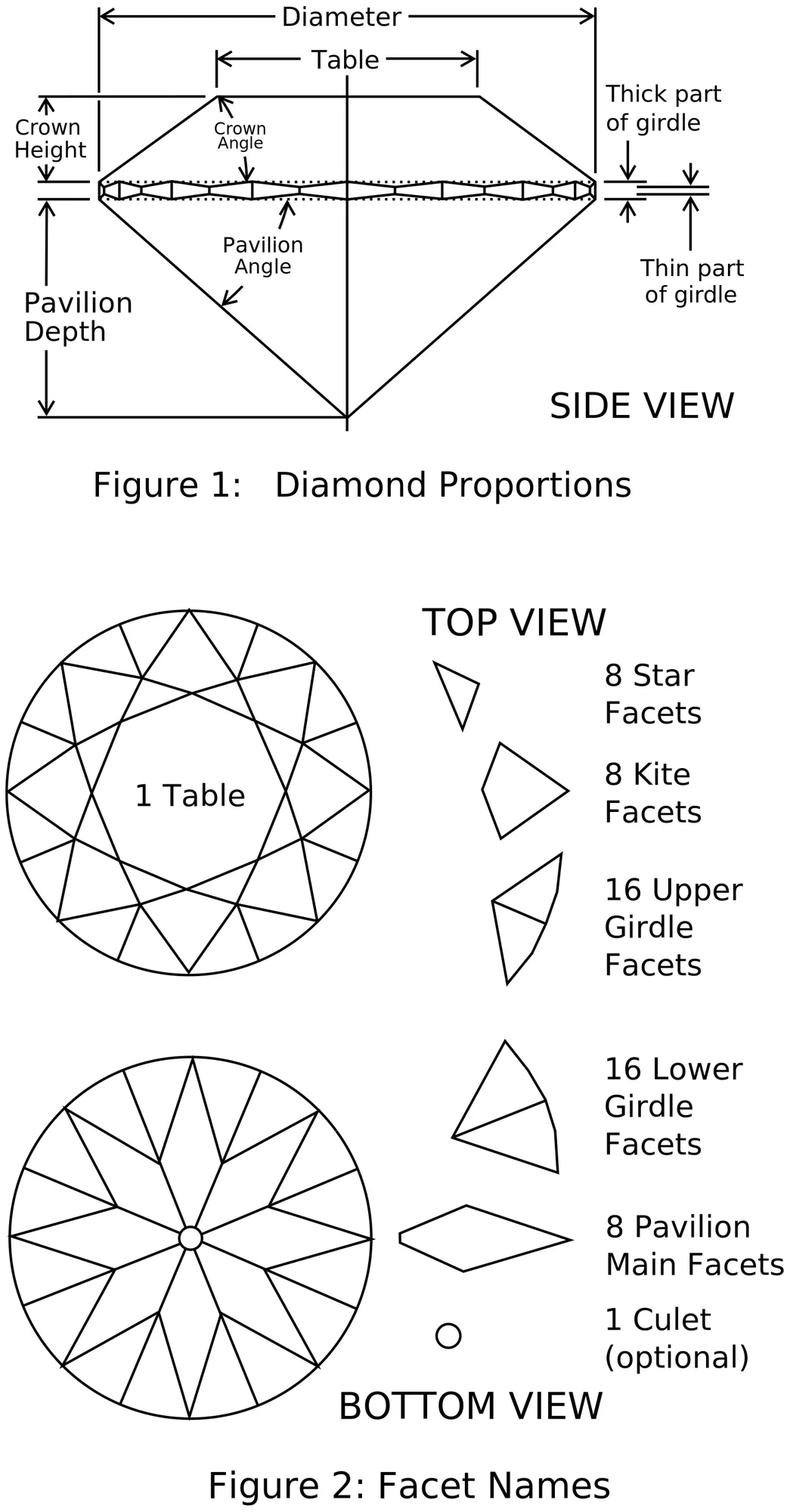
A diagram of a round brilliant keeps the lesson in one plate. Above the girdle, the crown and the table. Below it, the pavilion falling toward a tip. In the pavilion view that tip is named: one culet, optional — a point or a tiny face the cutter may leave. You would see that tip before you counted kite facets. Marks can measure a depth or an angle. The place they finish is still the culet. Table above. Girdle in the middle. Pavilion below. The culet is the end of the fall.
The drawing does not change the job. A brilliant can carry as many facets as it likes and still have one tip. You are looking at the point, not at a count of stars.
The same tip in profile, then on real stones
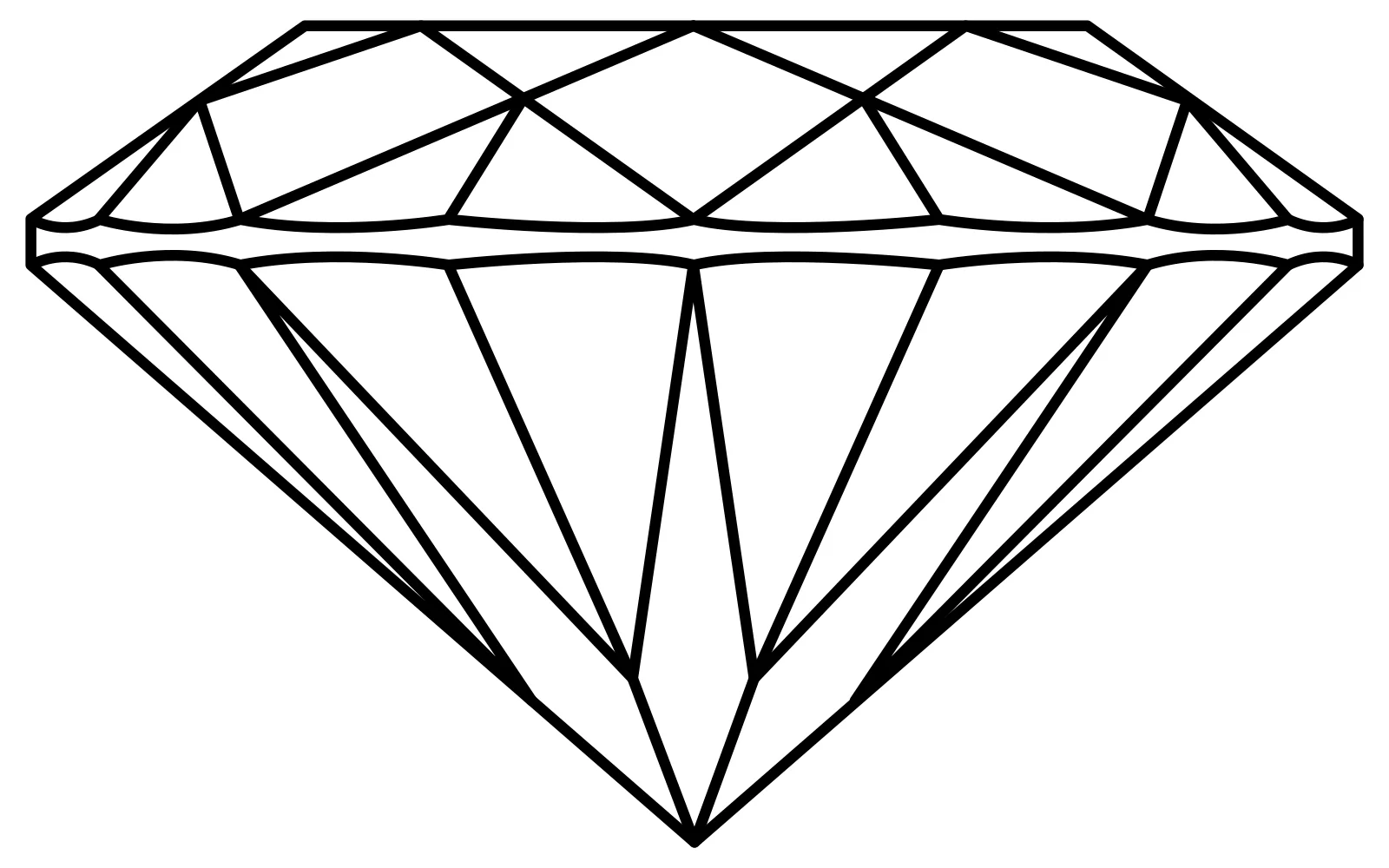
A side view keeps the tip as a silhouette. The table is a short line at the top. The crown slopes out to the girdle. The pavilion slopes in until there is nowhere left to go — the culet, already the lowest fact of the stone. You would meet that point before you named a depth percentage. A table would have been the window. A girdle would have been the band. The pavilion would have been the whole lower cone. The culet is only the tip the cone is aiming at.
You would turn that drawing and the tip would stay the tip. Light can break in the pavilion and still leave the culet where it was. The point is not the fire. It is where the fire’s architecture ends — and, when the cutter leaves a tiny facet, where the tip is asked not to chip.
Loose brilliants finish the thought as the tip you can see among real stones. From above, some show a small dark meeting through the table. From the side, one stone shows the cone ending in a point. You would feel that tip before you asked what a setting will do with it. The culet does not need a claw to be a culet. It is the place the pavilion has already decided to stop.
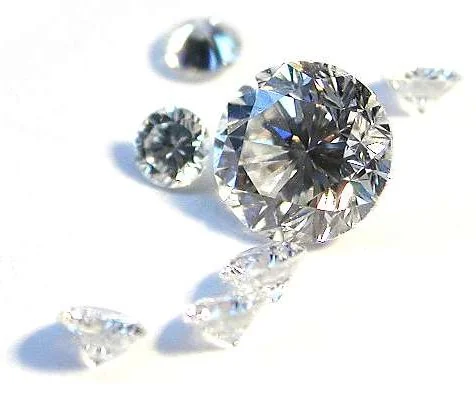
Turn either stone and the tip stays the tip. The table can flash. The girdle can catch a fingertip. The culet is what you would find at the bottom — a point, or a tiny face, the last sentence of the cut.
That is the note. A table is a window. A girdle is an equator. A pavilion is the lower cone. A culet is a point — the tip where a cut stone finishes, the place a cutter may leave sharp or protect with a tiny facet.
Educational only · Not jewelry, insurance, or legal advice